A Rousing Round of Applause for Abadia Retuerta

There’s always something new to learn about wine, from the nuances of terroir to cellar technology to the consequences of climate change. And, the more you know, the more you realize how little you know. I’m reminded of this almost weekly. Most recently, my world got a little larger when Sergio Sabater dropped by BCN Taste & Tradition to taste a group of us on the marvelous wines of Abadia Retuerta (http://abadia-retuerta.com) and speak about the 1,717-acre property (shown above) less than two hours north of Madrid on the Duero River, where the winery and its stunning hotel-spa-restaurant, housed in the 12th-century Santa Maria de Retuerta abbey, are located.

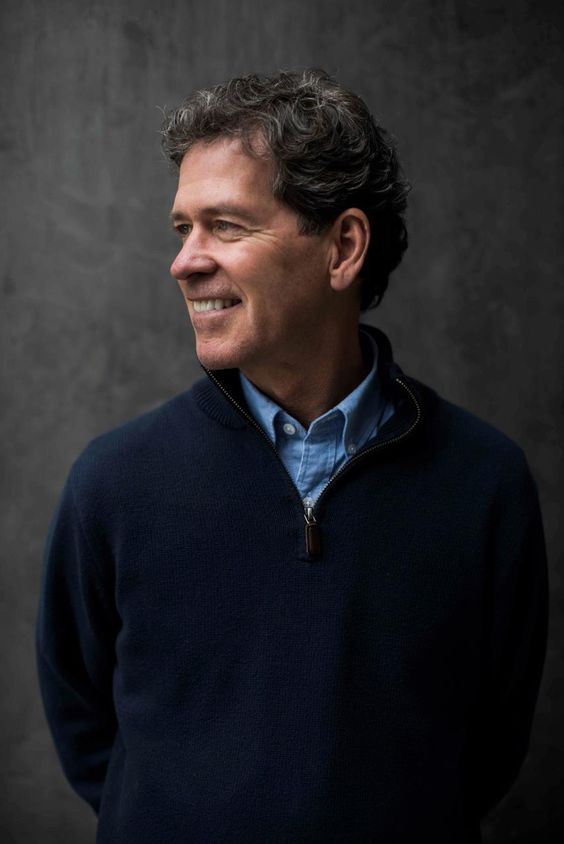
The engaging Sabater (pictured below) has an easy job as Abadia Retuerta’s American sales manager. These wines sells themselves at first sip and Sabater’s video tour of the five-star Abadía Retuerta Le Domaine, housed in the 12th-century Santa Maria de Retuerta abbey, pictured above, made me want to hop on the next flight to MAD. In a word, wow!

The reason for Sabater’s visit was to spread the word about the winery’s decision to dramatically expand the distribution of its single-vineyard wines in the U.S. market come fall, having earned its own denominaciones de origen protegidas, or DOP — formally separated from the surrounding Ribera del Duero in 2022 after eight years of arguing — and finally winning — its case with the Spanish Ministry of Agriculture. The DOP designation, of course, guarantees a wine’s origin from singular soil, climate and geographical conditions.

“We are incredibly proud because the DOP designation represents the culmination of more than two decades of work by our team at Abadía Retuerta to study and restore this outstanding terroir, and make wines that reflect the personality of the estate and the Duero Valley,” Enrique Valero, Abadía Retuerta’s CEO explains. “We’re thrilled to make our single vineyard wines more widely available, particularly as many of our latest releases will allow U.S. wine lovers to uncover the distinctive personality that is only possible by making wine at the pago level.”

And, to quote from a winery press release because I can’t provide the facts with any more clarity:

“Abadía Retuerta is situated at higher elevations surrounded by old-growth forests that naturally support cooling influences and some of the most unique viticultural conditions and organoleptic attributes in the Duero region. Wine consultant Pascal Delbeck and winemaker Ángel Anocíbar have isolated key aromatics such as balsamic, pine and herbs in Abadía Retuerta wines associated with distinct sites and their natural surroundings. Climate and soil studies led by Delbeck and Anocíbar further reveal a stunning diversity of microclimates and soils within the estate that support an extensive varietal range.”

How extensive? No fewer than 25 varietals grow among the 54 plots covering the 500 acres that are under vine on the estate. (An on-site lab conducts ongoing studies of how climate change is impacting each and selflessly shares what it’s learning with vinters around the world.) To be sure, tempranillo remains the focus, representing 75 percent of the annual harvest, but cabernet and syrah make up a not-insignificant 10 percent each.

Again, quoting the press release: “The terroir of the four most acclaimed plots in Abadía Retuerta (Negralada, Garduña, Valdebellón, and Petit Verdot) reveals a perfect balance of soil, microclimate and variety.” Abadía Retuerta will release these top pago wines in fall 2024, each designated by the name of a specific vineyard, including the Pago Negralada, which is all tempranillo; the Pago Valdebellón, all cabernet; the Pago Garduña, all syrah;” and the Petit Verdot.

Winery visitors can taste wines made from every varietal, which Sabater insists “is an amazing experience, one you will never forget. It’s going to make you want to stay in the Abbey, no matter what the price is.”

No two ways about it, the place is #fancy with double rooms starting at around 600 euros per night, breakfast and spa access included. But diners at BCN (http://bcnhouston.com) can sample the delightful 2022 L’Domaine Blanco de Guarda, a crisp, creamy sauvignon blanc with a bit of verdejo in the blend, for $140 and the robust, layered Pago Negralada for $220. BCN’s GM/Sommelier Paco Calza includes both among his personal touts on the wine list.

The former, Calza writes, is “full of intense aromas of honey, ripe peach, ginger and floral notes that open up onto a soft, mouth-filling palate with exotic citrus, grapefruit and apple fruit flavors.” The latter? “Deep, rich, and intense nose with hints of violets to the ripe, compact blackberries, chocolate, cigar box and grilled herbs. Juicy and concentrated on the full-bodied palate with fine, dusty tannins.”

A non-Pago library wine, the 1996 Cuvee Palomar, most rocked my taste buds. I’m hoping Calza can rustle up another bottle or two of that gem, from the first vintage release after the winery was completed in 1995. Otherwise, I’ll just have to crack open the piggy bank and make my way to Abadia Retuerta, which, to be sure, is now front and center on my bucket list of wine regions to visit before I die.

The Sports Page

Raising a glass to . . . Simone Biles

Among women gymnasts, she’s the undisputed GOAT and one of the greatest athletes ever that we Houstonians can claim as one of our own. With three more golds plus a silver in Paris, running her Olympics medal count to 11, she put her Tokyo nightmare of three years ago completely behind her, proving she is as resilient as she is fearlessly resolute, attempting routines that none of her rivals would dare try. And Biles scored major bonus points in my book by saying in a social media post how much she loves her “black job.” Take that, Trump.

H-town happenings

Il Borro Wine Dinner — 6:30 p.m. Friday, Aug. 9, at Maggiano’s Little Italy. $95. http://eventbrite.com

Wines for H-Town Hurricanes — 6 p.m. Thursday, Aug. 15, at The Rado MKT. $30. http://eventbrite.com

Cheers for Charity — 4-7 p.m. Saturday, Aug. 17., at Red Oak Ballroom Norris Meetings & Event Center. $65-$125. http://eventbrite.com

Summer Lovin’ Wine Dinner — 7 p.m. Thursday, Aug. 22, at Brenner’s on the Bayou. $175. http://eventbrite.com

Summer Flight School — 7 p.m. Thursday, Aug. 22 at Barcelona Wine Bar. $75. http://eventbrite.com

Aperitivo Italiano: Piedmont and Sardinia — 5 p.m. Tuesday, Aug. 27, at the Italian Cultural and Community Center. $30. http://eventbrite.com

Follow me

Instagram: http://@sportywineguy

X: @sportywineguy

Facebook: Dale Robertson

Podcast: Sporty Wine Guy, wherever you get your podcasts. That’s me with my sidekick Jeremy Parzen above. A new one will drop soon as soon as we both have our feet back on the ground in H-Town. Fingers crossed we can knock out another one this week!      

Friends of mine to follow:

Russ Kane (http://vintagetexas.com) — The Texas Wineslinger’s latest post focuses on a  blind tasting of sparkling wines in which I happily participated. Many of the entries were from Texas, too, and they acquitted themselves very well. My high-scorer (93 points) from our neck of the woods was the method traditonelle Blanc de Blancs from Heath Sparkling Wines (http://heathsparkling.com). Fittingly, the Fredericksburg winery, part of the Grape Creek family, is the first in Texas to focus solely on bubbles. Four of the six tasters gave it at least a 90. My top score (94 points) overall went to Matthew Massey’s Madame Zéro Rosé, also the overall champion among 21 sparklers. The Heath sells for $55.59 at http://heathfamilybrands.com. Massey’s pink champagne is $84.99 at http://madamezero.com.     

Sandra Crittenden: http://winelifehousthon.com 

Jeffrey Kralik: http://drunkencyclist.com

Katrina Rene: http://thecorkscrewconcie

Sippin’ (Some More) With Sporty, July 2024

Bubbles

Gérard Bertrand An 825 Crémant de Limoux Brut

From the Winemaker: “A beautiful, golden yellow color. Complex, aromatic nose revealing hints of white flower, with hints of honey, green apple and toast. Crisp, elegant structure on the palate, where the fine texture of the bubbles complements the wine naturally.”

From me:

$19.99 at http://wine.com

Yamhill-Carlton Brut Rosé

From the Winemaker: “Aromas of strawberry shortcake, canned pear, white peach, lightly toasted broiche, and rose petals. The palate flirts with tangerine, kumquat, nectarine on the finish with warm watermelon rind and lemon meringue pie. Balanced fatness and acidity on the texture, vibrant and exceptionally clean all the way through to the finish, phenomenally precise.”

From the Wine Spectator, which scored it a 94: “That rare domestic rosé that captures the vibrant acidity of Champagne, offering delicate strawberry, raspberry flavors laced with steely minerality and sprinkle of graham cracker on the finish.”

From me: This captivating chardonnay (57 percent) pinot noir blend from the Willamette Valley would pass for a classic pink champagne in any blind tasting.

$59.99 from http://wine.com

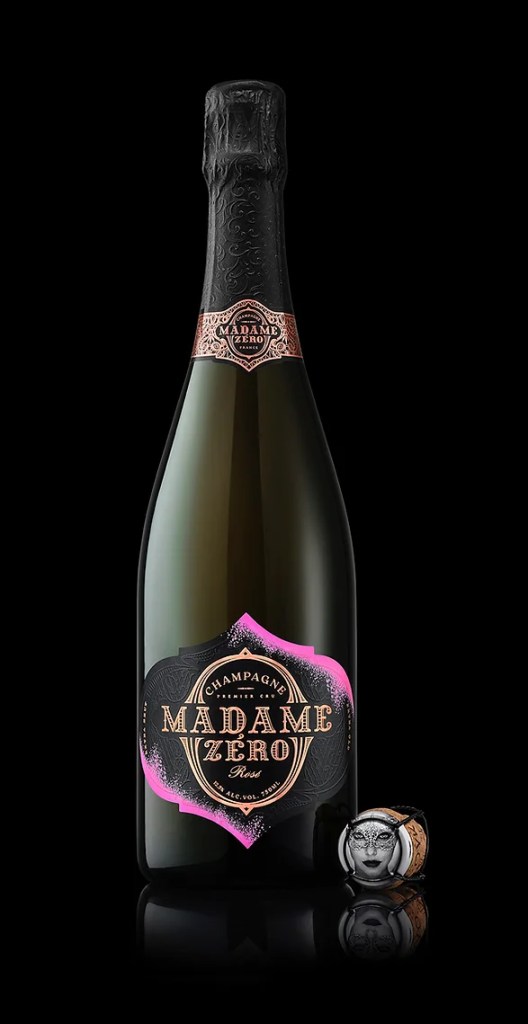
Madame Zéro Brut Rosé
From the Winemaker:
“The wine is light pink salmon color and maintains a fine mousse with a ribbon of fine, delicate, precise bubbles. Aromatics of fresh berries, floral aromas and notes of citrus delivering a beautiful impression of freshness. On the palate, a refreshing expression of blood orange citrus front palate that progresses into a medley of fresh berries with pronounced notes of freshly picked wild strawberries, pomegranate and raspberry.  Fresh minerality and exceptional balance makes for a an extremely clean, elegant finish.”

From me: The man behind this gem, Galveston-born Matthew Massey, has become a good friend so it’s hard for me to be objective. But in a recent fully blind tasting of 22 sparkling wines, I gave it 94 points, my highest score.

$84.99 at http://madamezero.com

WHITE

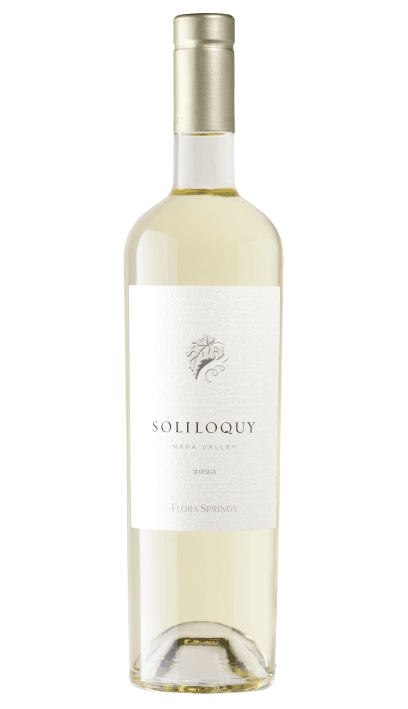
2023 Flora Springs Soliloquy

From the Winemaker: “Anchored by sauvignon blanc (85 percent), notes of honeysuckle prevail. Malvasia introduces tart apple and orange blossom to the palate and hints of chardonnay weave citrus highlights throughout. In an attempt to preserve the thumbprint of this treasured fruit source, the fruit is whole-cluster fermented in it’s natural yeast. This technique also means there is no inoculated yeast present in the wine. This gives the wine a freshness and a zesty finish, the perfect summer evening accompaniment to lighter dishes.”

From me: Flora Spring’s Trilogy, a cab-centric blend, has always been one of my reference-standard reds from California. Now I can say the same about the Soliloquy with its backbone of a sauvignon blanc clone that grows only in the winery’s Crossroads Vineyard in the Oakville AVA.

$70 at florasprings.com

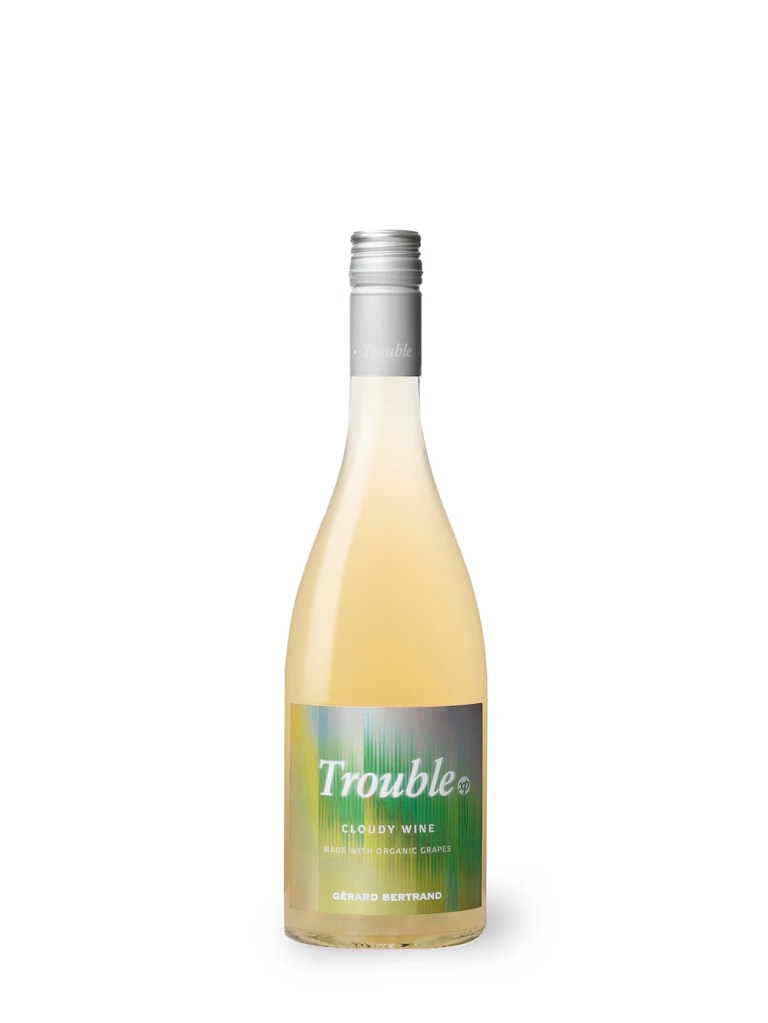
Gérard Bertrand Trouble Cloudy Wine

From the Winemaker: “On the palate it offers a meaty, velvety texture, coating the palate in succulent softness. Exotic fruit aromas explode on the palate, with juicy mango, pineapple and fresh lychee notes. The wine has impressive aromatic intensity, enhanced by delicate floral touches. The tart, lingering finish ensures a subtle balance. Bouquets of mango, pineapple and lychee, with hints of lime and blood orange.”

From me: The cloudiness in this fresh, fruity blend of chardonnay (60 percent), grenache blanc (20) and viognier, is due, of course, to the lees not being filtered. I can’t imagine a more perfect poolside sipper for summertime in H-town.

$25.99 at gerard-bertrand.shop

2022 Amici Sauvignon Blanc Sonoma County

From the Winemaker: “Aromatics of this incredibly floral wine begin with notes of jasmine, snap pea, and orange flowers. The intense aromas are met with ripe Meyer lemon, lively passion fruit, and hints of kiwi on the palate. This classic Sonoma County Sauvignon Blanc shows wonderful acidity with bright and precise notes of lime juice on the long, mouthwatering finish.”

From James Suckling, who scored it a 92: “Very crisp and clean white with sliced apple, lemon and melon with phenolic tension and texture. Layered and flavorful. Creamy. Seriously delicious.”

From me: Amici’s winemaker Tony Biagi, a for-real Napa Valley legend, knows his way around a cellar and a vineyard. His sauvignon blancs, such as this one, are among the best I’ve ever tasted.

$25 at http://amicicellars.com

2023 Wither Hills Sauvignon Blanc Marlborough

From the Winemaker: “Distinctly Marlborough with vibrant aromatics of lime, peach, nectarine, and passionfruit with a subtle hint of lemongrass and kaffir lime leaves. The palate is refined and elegant with a juicy core of guava, citrus zest, and sea salt. The finish is dry with the perfect balance of fruit flavors, acid, and minerality.”

From Wilfred Wong, who scored it an 88: ” Active and bright on the palate. Pair it with a tray of raw oysters topped with a squeeze of Meyer lemon.”

From me: I don’t usually gravitate toward New Zealand sav blancs, but this one turned my head and turned on my taste buds. Delicious!

$16.99 at http://wine.com

ROSÉ

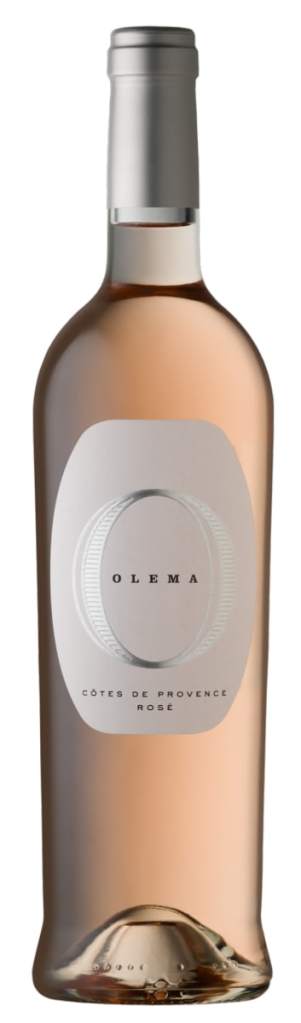
2023 Olema Côtes de Provence Rose

From the Winemaker: “Made in Côtes de Provence in the village of Vidauban in a true Provence Rosé style, the 2023 Olema Rosé opens with a nose filled with strawberries and cream, lychee, and white nectarine. On the palate, it evokes the essence of the Provençal countryside, heightened by a pronounced salinity and delicate rose undertones. The palate holds a textural, mineral-rich profile, gracefully incorporating lush ripe peaches and orange blossoms, and culminates in a well-rounded finish”.

From James Suckling, who scored it a 93: “Very floral and pretty with the typical peach and orange peel aromas and flavors. Medium-bodied, crisp and clean with a brightness and dryness at the end. Fun hints of cotton candy.”

From me: Biagi made this tasty rosé, too, because Olema and Amici are sister wineries, owned by Texan John Harris and his longtime friend Bob Shepard. It’s as Provençal as can be with grenache (50 percent), cinsault (10), syrah (10), carignan (10) and mourvèdre in the blend.

$!5.99 at http://winecom

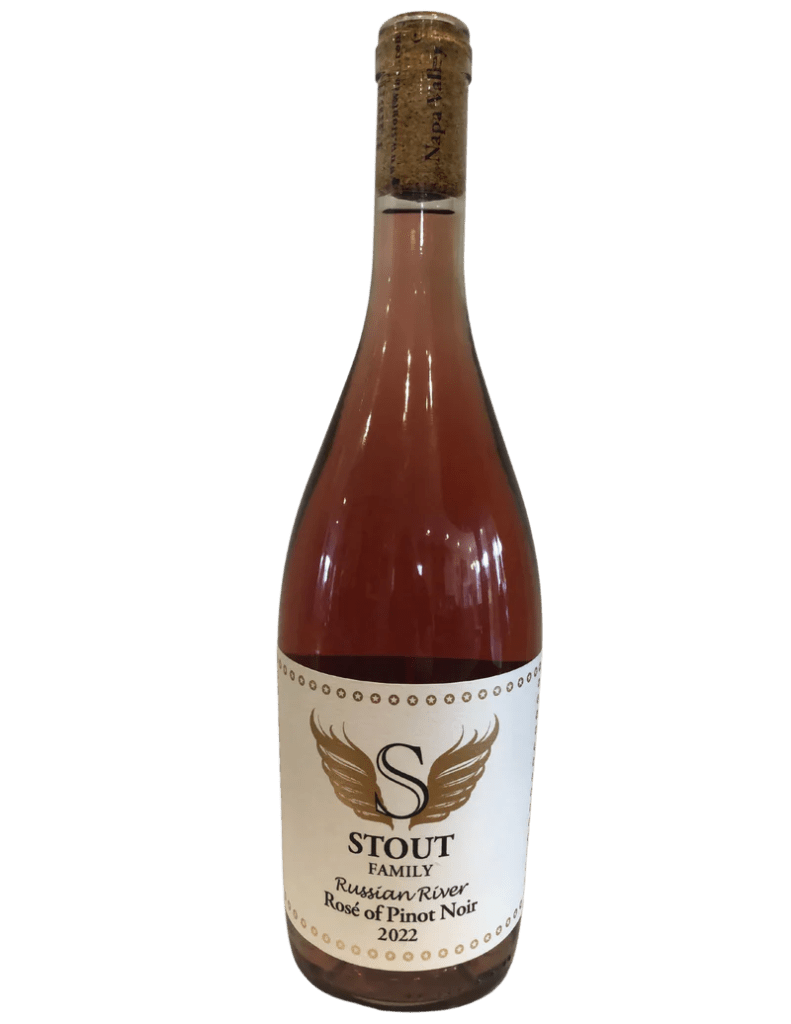
2022 Stout Family Russian River Valley Rosé

From the Winemaker: “Made from Russian River Valley pinot noir, It has a brilliant pink color with fresh bright floral aromatics and flavors of strawberry and raspberry. The finish is crisp and lively.”

From me: This is the first rosé the legendary winemaker Tom Rinaldi, who helped turn Duckhorn into the behemoth it became, has made for the Stout label and it’s, in a word, delicious. Master Sommelier Guy Stout, of course, is a Houston legend in his own right. The only bad news is that production is tiny for the moment and there won’t be a 2023 because Tom and Guy couldn’t find fruit deserving of the prices being asked.

$25 from stoutwines.com

RED

2020 Domaine de Mourchon Grande Reserve

From the Winemaker: “This wine is deep purple in color with a nose suggesting spices, licorice and cooked red fruit. The palate is full bodied with elegant fruit intensity, some spice and harmonious tannins.”

From the Wine Spectator, which scored it a 92: “Alluring and expressive, with beautiful range to the violet, plum and cherry liqueur flavors, all edged in graphite. Delivers impressive harmony and texture, with warm cedar notes rounding out the formidable palate. Reveals slightly grainy tannins that provide a firm frame. Delicious.”

From me: I’ve had every vintage of this oak-influenced grenache-syrah blend from Seguret in the Southern Rhone Valley since the first vintage came to market around the turn of the century and, through the years, the McKinlay family has become an extension of my family. Winemaker Sebastien Magnouac has been on board almost since day one and the consistency of his wines is extraordinary.

$19.95 at Spec’s

2022 Ruggero di Bardo Susumaniello

From the Winemaker: “Deep ruby red with purple shades. On the nose blueberries and ripe red fruits, underbrush and red flower, then tobacco, aromatic herbs and a light zesty sensation. Elegant and powerful, with ripe tannins, fresh and fruity, tasty and very long in persistence.”

From me: Bravo, Trader Joe’s! The chain’s partnership with the Italian D’Aquino importer always pay off with superb-value wines available exclusively at Trader Joe’s and sells for just $9.99. Like a lot of the Trader Joe’s wines, the trademark is owned by D’Aquino Italian Importing Company. It is bottled by Femar Vini , which also makes the excellent Epicuro wines for Trader Joe’s.

$9.99 at Trader Joe’s

2020 Le Petit Mouton de Mouton Rothschild

From James Suckling, who scored it a 98: “Lots of violets, blackberries, bark and iodine. Oyster shell. Full-bodied. Firm and velvety tannins with a long and satisfying finish. Juicy and reserved at the end. Chewy and soft.”

From Jeb Dunnuck, who scored it a 95: “Another powerful, concentrated wine (with) an incredibly cabernet sauvignon-driven style. Lots of blackcurrants, liquid violets, graphite, and rocky mineral notes emerge on the nose,”

From me: Yep, very expensive. You could buy 26 bottles of the Susumaniello for the same price. But it still over-delivers for the price when you consider that its First-Growth big brother Mouton Rothschild, which earned 100 points from Suckling, Decanter and the Wine Advocate for the 2020 vintage, goes for $1,059.

$259.97 at http://wine.com

Sippin’ with Sporty, July 2024

Bubbles

Segura Viudas Rosé

From the winemaker: “Defined by decisive flavors of cherry pith, grapefruit zest and grenadine, it possesses a subtle richness thanks to its refined mousse and textural complexity. A soft finish on the back of the palate gives a lovely, approachable balance to this Cava.”

From the Tasting Panel, which scored it a 93: “Strawberry and pink grapefruit perfume the glass.”

From me: A blend of 90 percent trepat — a red grape indigenous to Catalan — and garnacha, it’s made by on an estate that dates to the 11th century, although the winery didn’t open until 1959. I can’t think of a sparkling wine that over-delivers more for the price.

$8.49 at 51 Houston, next to Costco on Richmond

Rosé

2023 Reserve des Chastelles Tavel

From the winemaker: “A pure salmon pink color, this Tavel combines subtle aromas of red fruit and toasted almonds. Best as an aperitif or paired with white meat and soft cheese.”

From me: With its body and structure, this has been my sipping find of the summer. Tavel is the only appellation in the Rhone Valley which makes rosé only and the prices generally tend to reflect the famous terroir. Here’s an exception, however. It’s hard to drink better for 11 bucks.

$10.99 at Trader Joe’s

2023 Mouton Cadet Mathilde

From the winemaker: “Scintillating appearance, rather pale tea-rose pink. The nose opens on aromas of red fruit such as redcurrant and wild strawberry, followed with airing by raspberry and a hint of pink grapefruit. A fruit-forward attack on redcurrant and raspberry leads into a nicely balanced mid-palate lifted by fresh citrus flavors, especially grapefruit, while the finish reveals more floral notes reminiscent of lily-of-the-valley and violet.”

From Decanter, which scored it a 91: “Very promising nose, displaying scents of dried thyme, tomato leaf, white peaches, raspberry and orange zest. Vibrant, with some weight.”

From me: Baron Philippe de Rothschild introduced Mouton Cadet in 1930 to bring Bordeaux wine to a wider audience than could afford his Grand Cru bottles. This more recently launched lineup honors the Baron’s grandchildren. Mathilde’s name is on the rose, which offers a satisfying range of flavors.”

$18.99 at http://wine.com
2023 Ile de Conas Le Rose

From the winemaker: “This unique Mediterranean blend is succulent with a delicate, tongue-tingly zest. Bursting with flavors, it can be served as a pre-dinner drink or paired with salmon teriyaki, zucchini, carpaccio or Mediterranean salad.”

From me: Another super steal from the Trader Joe’s lineup, this estate is Paul Mas’ first in the Languedoc. Note that the Wine Enthusiast named Paul Mas’ operation French Winery of the Year for 2021.

$7.99 at Trader Joe’s

White

2023 Mouton Cadet Nathan Sauvignon Blanc

From the winemaker: “Golden in color, with a slight ivory hue. The nose opens on citrus aromas, especially lemon and grapefruit, then with airing develops hawthorn and jasmine notes as well as a touch of fresh apricot. From a fresh attack on Kaffir lime flavors with a hint of aniseed, the mid-palate expresses the elegance of the floral notes found on the nose, leading into a finish that lingers on hints of licorice.”

From Decanter, which scored it a 90: “Lovely nose with aromas of almond blossom, linden tree, fresh cut red apple and pure lemon. Attractive richness, well-defined finish.”

From me: Nathan’s white is no less appealing than Mathilde’s pink. I’m really excited to have been introduced to these wines, made from grapes purchased from multiple growers in Bordeaux.

$18.99 at http://wine.com
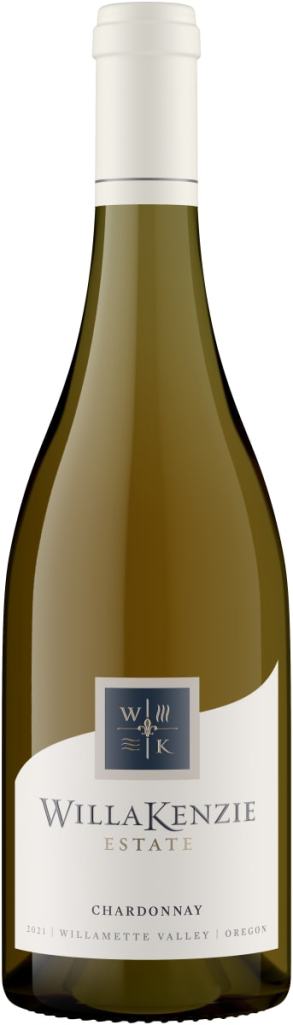
2021 WillaKenzie Estate Estate Cuvee Chardonnay

From the winemaker: “Pure and energetic palate with wonderful salinity and creaminess and a long, snappy finish.”

From James Suckling, who scored it a 92: “Aromas of citrus and flowers, with a concentrated palate and bright acidity. Light- to medium-bodied with notes of sliced lemons and honeysuckle. Ends with a tangy and refreshing finish. This is an enjoyable and interesting wine that sees approximately 25-percent new oak.”

From me: The’s elegant, nuanced flavors impressed me from the first sip on. Of course, at this price, I should have been wowed, and I was.

$75 at http://willakenzie.com

2021 Malvira Roero Arneis

From the winemaker: “Lifted and fresh on the nose with notes of white blossoms and snappy fruits. On the palate, the wine gives way to stone fruits and hints of melon before finishing with a zip of refreshing acidity. The finish is clean but long and showcases this classic vintage perfectly.”

From me: Winemaker Roberto Damonte’s father Giuseppe established the winery in 1950, when the Roero region was a true backwater. But he understood the terroir’s potential and Roberto, along with his brother Massimo, have created a world-class property with 100 acres of organically-farmed vines that’s also home to a gorgeous boutique hotel, the Villa Tiboldi. The Damontes have played a significant role in saving the varietal from near extinction in the 1980s. This wine accounts for almost half of their production and most of the fruit comes from the Renesio cru, where arneis is said to have first been identified in 1478, and also the Trinita cru with its stony calcareous soils that give the wine nice minerality.

$18 at AOC Selections

Red

2019 Damilano Lecinquevigne Barolo

From the winemaker: “Ruby red in color with orange reflections. An intense bouquet with tertiary notes of rose, leather, tobacco and emerging notes of violet and tar. The palate is ample and embracing, with prevailing impressions of a soft, persistent long finish.”

From the Wine Advocate, which scored it a 93: “With fruit from Brunate, Liste, Cerequio, Cannubi and Raviole, this wine offers an appellation-wide taste of nebbiolo, and the focus, consequently, is on the grape more than any single vineyard. These kinds of blends work very well in a vintage like 2019 that holds its own in terms of balance, intensity and texture. It’s a little subdued on first nose and would benefit from more time in bottle. “

From me: Giuseppe Borgogno began growing grapes and making his own wine more than 100 years ago and his son-in-law, Giacomo Damilano, would create the modern business, now run by four grandchildren. The winery is adjacent to the one-star Michelin restaurant Massimo Camia (which you read about in my previous blog), on the valley floor below La Morra. It’s my new go-to Barolo because of the price. Again, can’t thank you enough, Trader Joe’s.

$35.99 at Trader Joe’s

2020 Rosa dell’Olmo Barolo

From the winemaker: “Following a traditional vinification process, our Barolo spends at least 18 months ageing in oak barrels, during which the tannin and extracts necessary to form its noble and long-lasting structure become richer. This is followed by a period of bottle aging. Its color is deep ruby red tending towards garnet and the bouquet is both pleasant and intense, reminiscent of withered roses and violets. On the palate the wine is dry, full, robust and austere, yet also velvety and harmonious.”

From me: I’ve tasted many better Barolos, but I’ve never tasted one this good that’s so inexpensive. A superb red wine for the price!

$15.99 at Trader Joe’s

A savory week in Italy’s Piemonte

I recently spend nine days leading friends on a tour of my favorite wine region, which included stops in two of Italy’s greatest cities, Turin and Milan. The former I knew a bit from having covered the Winter Olympics there in 2006 for the Houston Chronicle. The latter was largely a blank canvas for me because, when I’m in Europe, I generally go to extreme lengths to avoid major traffic-choked metropolitan areas.

Why? Because I live in one in Texas. Enough is enough.

However, you may now call me a fan of Milan. It was a crazy weekend to be there, on what amounted to Italy’s Fourth of July, but the weather was perfect — fairly cool, no smog, no clouds — and the energy was off the charts. The Galleria shopping area (pictured above) was teeming with celebratory folks, the bars were jammed and the ubiquitous fashion boutiques were all open. I could have shopped til I dropped except for the price tags on the stuff I was drooling over. I mean, who spends $5,500 on a sports coat even if it’s a Brunello Cucinelli? Pas mois.

Anyway, since this is a wine-and-food-centric blog, I’m going to keep it simple and share links to those spots that deserved a five-star rating. Pretty much every place we wined and dined did, too. Chronologically:

Contesto Alimentare, Turin — From the Michelin guide, which gives it “Bib Gourmand” status: “Situated on the central Via Accademia Albertina, this small, simple and unfussy restaurant with small tables set close together serves top-quality Piedmontese cuisine. Alongside its delicious regional specialities, the menu also features dishes from elsewhere in Italy, including Sicily. The tajarin pasta made from 40 egg yolks and served with a veal ragu is superb, as are the rabbit and pork belly dishes. There’s a focus on meat options, followed by some delicious desserts, which include specialities from Piedmont such as panna cotta and typical bacio di dama biscuits.” contestoalimentare.it

Ristorante Savure, Turin — We learned all about pasta making here, then ate more great pasta than I thought possible in a single seating. In effect, we had six main courses, all of them excellent. Better still, it’s amazingly inexpensive considering the quality. https://www.savure.it

Caffè Gelateria Pepino, Turin — Opened in 1884, when it was given a royal warrant to supply the House of Savoy, it claims to be the oldest gelateria in Italy and the setting on the Piazza Carignano is perfect. The gelatos are sublime, of course, and a full bar adds to the appeal. A special treat was Amista Vermouth (you read about same in my last posting) over a scoop of vanilla. Mama mia! Pepino is also famous for inventing the Pinguino, gelato on a stick covered in chocolate. gelatipepino.it

Le Quattro Stagione, Saluzzo — Although I didn’t personally dine with my group here, some felt this was the best restaurant experience they had over the entire tour. Dreamy Saluzzo is in the foothills of the Alps just below Monte Viso and the resto, set in an historic 17th century building, checks all the boxes, especially for value. I’ll be dining there the next time I’m in Italy, guaranteed. http://ristorante4stagione.com

Poderi Luigi Einaudi, Dogliani — A superb producer founded by Luigi Einaudi, who was elected the first president of the Italian Republic after World War II, the winery’s magnificent hilltop site also includes a lovely boutique hotel, the Relais Luigi Einaudi (shown above). I can’t think of a more beautiful, well-situated place to stay while exploring the Langhe. The tasting room offers to floor-to-ceiling windows with views of the grounds and the surrounding vineyards. poderieinaudi.com 

Locanda del Sorriso, Dogliani — Dogliani, with its gorgeous cathedral, is a seriously underrated town in the Langhe, and this gorgeous resto proved to be a terrific find. Sorriso means “smile” and we did plenty of that while dining. The wine list, of course, features the best Dogliani dolcettos. lalocandadelsorriso.com

Ceretto, San Cassiano — I’ve been friends with the Cerettos since the mid-1990s and have witnessed their remarkable evolution through the years. While the wide range of wines have always spoken for themselves, the modern tasting room with its “Grape” overlook is second to none, as is the tasting experience. And you can buy everything on site, including some rare single-vineyard wines. ceretto.com

Massimo Camia, La Morra — Michelin gives it a star. Here’s why: “In this restaurant decorated with modern furnishings, the attention is drawn to the picture windows offering fine views of the La Morra hills and the surrounding countryside. The cuisine prepared by Massimo Camia and his daughter Elisabetta includes classic favorites from the chef’s much-loved repertoire, such as the delicious rack of lamb beautifully presented on Luserna stone and served with a barbeque sauce, as well as other elegant dishes, including a few fish options. The excellent selection of Piedmontese cheese is also worth a mention. The chef’s sommelier son Lacopo skilfully and enthusiastically guides guests through the encyclopaedic wine list which includes an extensive choice of Barolo wines and other local labels.” massimocamia.it

Ristorante Modda, Monforte d’Alba — A driving rainstorm made our arrival down a narrow pathway a bit treacherous and kept us from dining on one of the most attractive patios you’ll find anywhere, but, once inside . . . paradise found. The food was universally praiseworthy and the ambience unbeatable. modavenue.eu

Poderi e Cantine Oddero, Santa Maria — Located in a tiny hamlet with a most-impressive church below the hilltop town of La Morra (pictured above), it’s the consummate family winery, dating from 1878 when Giacomo Oddero first bottled the wines in 1878. The current winemaker, Maria Christina, was among the first women to oversee a cellar in the Langhe. Her excellent wines are sold on site, too. oddero.it

Trattoria Il Risorgimento, Treiso — While it almost qualifies as what we Texans call “a hole in the wall,” the food is first-rate and the wine list diverse. Chef/owner Gioele, who’s as local as local gets, may be soft-spoken, but he carries a big stick. We could hear him dressing down Treiso’s mayor while we were lunching because of the noise being made by the machines re-painting street lines beyond the patio. The ruckus quickly stopped. trattoriarisorgimento.it

La Piola, Alba — This is my favorite trattoria anywhere, end of conversation. Situated on the Piazza Risorgimento across from Alba’s Duomo, it offers all the Piemontese classics — the vitello tonnato, agnolotti and tajarin are my holy trinity there — and has a superb wine list to boot. Enrico Crippa, who has earned three Michelin stars for his Piazzo Duomo one floor up, oversees this kitchen, too. lapiola-alba.it

Piazza Duomo, Alba — Crippa, whose food is equal parts edible and artistic as the photo above illustrates, is one of the world’s best chefs and this stylish spot, with its Francesco Clemente mural on the pink main dining-room walls, is most-deserving of its three Michelin stars. We did a lunch there, which offered incredible value at 170 euros per person for four courses. (But Crippa’s justifiably famous salad with upwards of 50 ingredients during high season is a lunchtime add-on for 50 euros.) The Michelin Guide’s assessment: “What is obvious in every single, delicious bite is the chef’s passion for plants, with vegetables, flowers, wild and cultivated herbs harvested daily all featuring in memorable, beautifully presented dishes. The iconic appetisers featuring countless delicious ingredients are a feast for the eyes and the tastebuds alike and were particularly enjoyed by our inspectors. It hardly needs mentioning that this region is passionate about wine, so it’s not entirely surprising that the restaurant offers three different wine lists: Solopiemonte pays superb homage to the region, while Tuttoilresto (divided into two options, white and red) is a celebration of French wines. The efficient and enthusiastic serving staff succeed in taking good care of guests without being excessively formal.” piazzaduomoalba.it

Pio Cesare, Alba — The only winery located in Alba proper and also the only one allowed to produce Barolo outside of the Barolo DOCG because of its historic status, it has a magnificent cellar (shown above) split by a for-real Roman-built wall . Since 1881, five generations of the same family have presided over the Pio Cesare up through the current director, 27-year-old Federica Pio Boffa, who took over for her larger-than-life father, Pio Boffa, after he died of complications from COVID-19 in 2021. Don’t let Federica’s age fool you. She’s got the right genes. piocesare.it

Barolo Bar, Monforte d’Alba — We opted for the elevated outdoor patio across the street from the main bar, which features live music after 8:30 on Wednesday nights, and we weren’t disappointed. Owner Silvia Aiassa’s Langhe-centric wine list is expansive and the small bites were delicious. If you op to take in the tunes, you must order a full meal. Coming off the Piazza Duomo experience, that seemed a tad excessive.

La Baia di Moltrasio, Moltrasio — On the shore of Lake Como, this cozy spot with its eclectic, inventive menu proved a superb find on a night that became too windy and rainy to take our scheduled boat ride. No regrets, to be sure. They had me with the asparagus,egg and parmigiano appetizer. labaiadimoltrasio.com

Senato Caffe, Milan — This lovely wine bar in the Senato Hotel puts Franciacorta front and center, and it thereby saved us a drive to Franciacorta country, about 40 miles east of the city. Thanks to a partnership with the Franciacorta consortium, the wine list offers a superb selection of Italy’s best bubbles, which were the first in Italy to be made exclusively with a second fermentation in the bottle. Franciacorta and its 7,500 acres of vineyards of chardonnay, pinot noir and pinot blanc, has had DOCG status since 1995. senatohotelmilano.it

Marchesi 1824, Milan –– This extraordinary bakery, which has been in business since 1824, offers the best panettone I’ve ever tasted — by far — and is said to have invented this famous leavened Christmas cake (pictured above). Marchesi’s is made with raisins from Sei Corone, naturally candied fruit, Bourbon vanilla from Madagascar, Italian honey, and eggs from free-range chickens. The other pastries looked no less fabulous, too. marchesi1824.com

Locanda Perbellini, Milan — With a kitchen overseen by the highly acclaimed, Michelin-starred Veronese chef Giancarlo Perbellini, this stylish, high-energy off-shoot osteria in Milan’s fashionable Brera district offers an eclectic menu featuring classic dishes from all over Italy. The divinely creamy, perfectly textured seafood risotto blew me away. locandaperbellini.it

Il Marchese Osteria, Milan — The most beautiful stop on our culinary adventure with excellent live music to boot (at least on Saturday nights), its Roman food played to somewhat mixed revues within our group, but I’ve never had a better carbonara pasta (pictured above) anywhere. Note that its sister restaurant in Rome has a Michelin star. ilmarchesemilano.it

H-town happenings

Fireworks! Best of the ’80s covered by the Spicolis — 8:30 p.m. Thursday, July 4, at Deep Roots Vineyard in Plantersville. $24. http://eventbrite.com

Summertime UNCORKED — 2 p.m. Saturday, July 20, at Barcelona Wine Bar. $65. http://eventbrite.com

Wine Symposium — 4 p.m. Saturday, July 20, at Stella’s Wine Bar in the Post Oak Hotel. $75. http://eventbrite.com

Cheers for Charity — 4-7 p.m. Saturday, Aug. 17., at Red Oak Ballroom Norris Meetings & Event Center. $65-$125. http://cheersforcharity2023.eventbrite.com

Follow me

Instagram: http://@sportywineguy

X: @sportywineguy

Facebook: Dale Robertson

Podcast: Sporty Wine Guy, wherever you get your podcasts. That’s me with my sidekick Jeremy Parzen above. A new one will drop soon, as soon as we both have our feet back on the ground in H-Town.     

Friends of mine to follow

Sandra Crittenden: http://winelifehousthon.com

Russ Kane: http://vintagetexas.com

Jeffrey Kralik: http://drunkencyclist.com

Katrina Rene: http://thecorkscrewconcie

Wine (And Food) Lessons Learned . . .

Although I portend to be a food maven and a wine expert, I am reminded on an almost daily basis how much there is still to be learned. As the saying goes, I don’t know what I don’t know. But, dammit, the quest for knowledge continues unabated as my 72nd birthday approaches.

The last two months spent in the South of France and Northwest Italy significantly broadened my horizons. These are neighborhoods I have frequented annually (except during the COVID lockdown of 2020) for three decades now, but so many stones — both the real ones in vineyards and the metaphorical kind — remain unturned.

A first-ever visit to the wine museum in Barolo proved especially fruitful, pardon the pun, because of the expansive chronology of wine history presented in one fascinating exhibit. According to same, Palaeolithic and Mesolithic hunter-gatherers around 11,000 BC were the first to discover that alcoholic fermentation occurred in sugary substances. Initially, alcoholic beverages were probably made from fermented tree sap and a heady honey-based drink called hydromel.

But grapes growing on wild vines, which likely grew as weeds in land cultivated by the earliest farmers, proved a better option because it fermented so easily. Also, grapes prevailed over other pulpy fruit because the vines could be reproduced by taking cuttings, or shoots, that had the desired characteristics rather than by planting seeds. Around 10,000 BC Neolithic farmers began to cultivate vineyards between the Caspian and Black Seas, where varieties bearing the largest fruits were most abundant.

Domestication of the grapevine was completed in Anatolia, where the abundant berries became integral to the economies of the earliest urban societies. The best domestic cultivares, which is to say the vinifera varietals, gradually spread to the west, from continental Greece to southern Italy to southern France and then the Iberian peninsula. In each, new centers of domestication emerged.

And the rest, as we say, is history.

Now let’s talk about vermouth. I always believed it was a fortified wine whose roots were French. Wrong and wrong. Rather, it’s an herbally-infused aromatised wine — with an alcohol content of less than 20 percent — that was born in Turin, although the name “vermouth” is the French pronunciation of the German word Wermut for wormwood, which was long used as the primary ingredient in the drink before being largely banned in the early 20th century for health reasons.

Fortified wines containing wormwood as a principal ingredient emerged in Germany during the 16th century. At about this time, an Italian merchant named D’Alessio began producing a similar product in the Piemonte as “wormwood wine”. Martini & Rossi, the top-selling international brand of vermouth today, would be founded in 1863 in Turin by businessman Alessandro Martini, winemaker Luigi Rossi and accountant Teofilo Sola. When the Sola family sold out in 1879, and the company became known as Martini & Rossi. Martini, of course, would also give his name to the world-famous cocktail, of which vermouth has always been a signature ingredient.

Noilly Prat, founded by Joseph Noilly a half century earlier and based in southern France, is primarily known for its dry, pale vermouths that are more commonly used in martinis. Sweet red vermouth is, in turn, an essential ingredient for making a Negroni along with Campari and gin.

Spices commonly found in vermouth formulas — closely guarded secrets by every major producer — include cloves, cinnamon, quinine, citrus peel, cardamon, marjoram, chamomile, coriander, juniper, hyssop, ginger, labdanum and quinine, although the latter is more famously used these days to make Barolo Chinato, a delicious after-dinner digestif that, sadly, can be difficult to find in the Houston area.

A new favorite vermouth of mine is from Àmista (https://amistapiedmontwine.com), a winery that has been at the forefront of putting Nizza Monferrato on the map as a Grand Cru DOCG for barbera. The same high-quality barbera grapes are used in the vermouth production, too. I’m hoping it will soon be available in the Houston market.

As for my big food discovery, a pasta-making “class” I attended in Turin as part of a tour I was helping lead revealed this factoid: Pastas from northern Italy always include egg yolks, while pastas from southern Italy rarely do. Regarding the former, the famous Piemontese tajarin, pictured above in all its glory, must have a minimum of 24 yolks per kilogram of dough, and some show-off producers use up to 40. #yum!

The Sports Page

Raising a glass to . . . Rudy T and the Rockets of yore

It was 30 years ago this month that the Choke-Turned-Clutch City gang claimed Houston’s first major championship at the expense of Pat Riley and the Knicks. Tomjanovich had starred as a Rocket himself, reaching an improbable NBA Finals in 1981, then eventually closed the deal as a coach. A repeat title followed in 1995 and he eventually earned his rightful place in the Basketball Hall of Fame, joining two of his stars, Hakeem Olajuwon and Clyde Drexler, there.

Pouring one out for . . . Bill Walton

He was a great baller-turned-first-rate broadcaster with a huge heart and a social conscience to match. A three-time collegiate player-of- the-year and twice national champion at UCLA, he became an NBA champion and MVP too before injuries derailed what would still be a Hall-of-Fame career. He claimed a second ring as a Celtic at the expense of the Rockets in 1986. The good they die young. He was born in the fall of 1952, not quite two months after me. Damn.

And for . . . Willie Mays

The “Say-Hey Kid,” the consummate ball player/entertainer, made it to 93 and was the oldest living Hall-of-Famer when he died. But Mays will stay forever young in my memory. He was my boyhood hero and, as a freshman at the University of Houston in 1970, I walked — walked! — from the UH campus to the Astrodome to see him play live in a regular-season game for the first time, 19 years after he had been a NY Giants rookie. Call it a religious pilgrimage. In my mind, and a lot of other minds, too, he’s baseball GOAT. End of conversation.

H-town happenings

Caymus 50th Anniversary Wine Dinner — 7 p.m. Thursday, June 27, at The Grotto Downtown. $150. http://eventbrite.com

Fireworks! Best of the ’80s covered by the Spicolis — 8:30 p.m. Thursday, July 4, at Deep Roots Vineyard in Plantersville. $24. http://eventbrite.com

Summertime UNCORKED — 2 p.m. Saturday, July 20, at Barcelona Wine Bar. $65. http://eventbrite.com

Wine Symposium — 4 p.m. Saturday, July 20, at Stella’s Wine Bar in the Post Oak Hotel. $75. http://eventbrite.com

Follow me

Instagram: http://@sportywineguy

X: @sportywineguy

Facebook: Dale Robertson

Podcast: Sporty Wine Guy, wherever you get your podcasts. That’s me with my sidekick Jeremy Parzen above. A new one will drop soon, as soon as we both have our feet back on the ground in H-Town.     

Friends of mine to follow

Sandra Crittenden: http://winelifehousthon.com

Russ Kane: http://vintagetexas.com

Jeffrey Kralik: http://drunkencyclist.com

Katrina Rene: http://thecorkscrewconcie