
BUBBLES

Vincent Couche Eclipsia Brut NV
From the Wine Enthusiast, which scored it an 89: “This is a ripe wine. Pear and quince flavors are cut by lemon zest acidity, making for a fresh, rich wine that is well balanced. From vines in the Côte des Bar in the southern Aube region of Champagne, the wine has a warm, rich while still crisp character.”
From me: This officially certified biodynamic sparkler sparkles at every level. Vincent Couche is a perfectionist, especially when it comes to keeping chemicals out of his wines, and it shows. You won’t find fresher-tasting bubbles anywhere.
$46.50 at AOC Selections

Gonet-Medeville Champagne Tradition Premier Cru
From the winemaker: “The vines are sustainably farmed, have low yields, are harvested by hand, dosage is low and malolactic fermentation is blocked. The Grand Crus are vinified in wood, as are about a third of our Premier Crus like this one. The blend is 70 percent chardonnay, 25 percent pinot noir and the rest pinot meunier.”
From the Wine Advocate, which scored it a 92: “This wine is showing very well, bursting from the glass with an expressive bouquet of crisp yellow orchard fruit, honeycomb, dried citrus rind, walnuts and fresh brioche. On the palate, it’s medium to full-bodied, elegantly textural and fleshy, with ripe but racy acids, fine depth at the core and a long, sapid finish. This is a complex Champagne that sees some barrel fermentation.”
From me: We had the pleasure of meeting Theo Gonet, the winery’s generation-next face, in Houston recently. As they say, the acorn doesn’t fall far from the oak. His parents are from prominent Champagne and Bordeaux viticultural families, Xavier’s in Mesnil sur Org and Julie’s in Sauternes respectively. They’ve been producing wine as a couple under their hyphenated label since 2000 and, in 2004, they expanded into Graves, where they make the Respide Médeville.
$54 at AOC Selections
WHITE
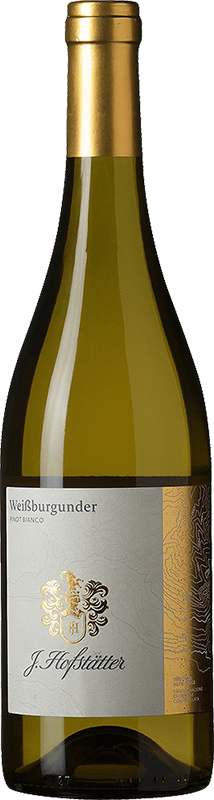
2023 J. Hofstätter Weissburgunder Pinot Bianco
From the winemaker: “Brilliant, straw yellow. An elegant fragrance with medium intensity offers notes of peach combined with apple and pear. Graceful and harmoniously structured on the palate with crisp acidity and delicate fruit. Subtle notes of hazelnut on the finish.”
From me: The winery in Italy’s Alto Adige, in the Alpine foothills below the Brenner Pass, was founded in 1907 by Josef and Maria Hofstätter. Their fifth-generation descendent and the current cellar boss, Niklas Hofstätter, also recently traveled through Houston, hosting a tasting at Vin Santo. Like Theo, he thoroughly charmed us. It’s always an added bonus to meet the people behind the wines we get to taste, especially when the wines are as special as these.
$24 at Vin Santo
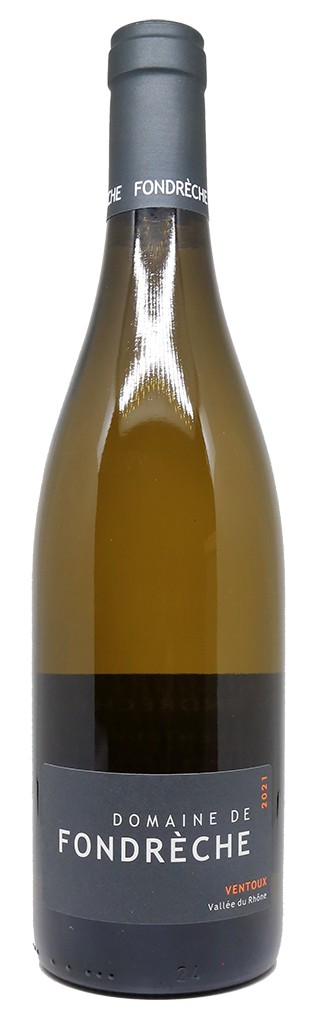
2021 Domaine de Fondrèche Ventoux Blanc
From the winemaker: “A Ventoux that opens harmoniously with floral aromas: acacia flowers, hawthorn, honeysuckle, accompanied by nuances of citrus and vanilla. Fat and roundness fill the mouth, in a very floral profile, a beautiful balance and a very pleasant freshness.”
From Jeb Dunnuck, who scored it a 92: “A blend of nearly one-third each of grenache blanc, roussanne and clairette with the balance rolle, the 2021 Ventoux Blanc has a clean, medium-bodied, vibrant style as well as attractive notes of ripe pears, citrus, and lime, with a terrific sense of underlying minerality.”
From me: Although the Fondrèche plateau in the shadow of Mont Ventoux is mainly dedicated to red wines production with its very stony soil, chalky surface and sandy-clayed texture, this classic Southern Rhone blend checked all my boxes at a very nice price.
$21 at AOC Selections

2021 Kosta Browne One-Sixteen Chardonnay
From the winemaker: “Expressive aromatics of fresh mango, honeyed lemon peel and toasted brioche encompass the senses. Stunningly balanced with a refined, smooth palate, lively acidity, and a weightless texture on the finish.”
From James Suckling, who scored it a 96: “Aromas of gunpowder, dried peach and sliced cooked apple. Sea shell. Pineapple. Medium to full body with a creamy texture and lots of fruit but still reserved at the end. Hints of brioche and caramel and then cream. Plenty of fruit and length.”
From me: Duckhorn’s stewardship of Kosta Browne, which was founded in 2007 by Dan Kosta and Michael Browne, has, if anything, made the wines better because they have become more elegant, at least in my opinion. California chardonnay doesn’t get any better than this.
$79 at wine.com/$91.99 at Spec’s

2019 Waterford Estate Stellenbosch Chardonnay
From the winemaker: “The Chardonnay vineyard was planted in 1988 and registered as single vineyard in 2012, which ensures that the traceability of the wine produced is exclusively to the original 5.8-hectare block. Soils are comprised of red clay as well as large granite deposits and parent material found throughout the clay profile. The clay adds structure to the wine, while the granite produces great minerality and finesse to the overall presentation.”
From me: Winemaker Mark Le Roux nailed it. The wine is richly flavored but complex and very well-balanced. He’d be the first to admit he’s working with perfect terroir for chardonnay in the Blaauwklippen Valley on the slopes of Helderberg Mountain in South Africa’s famed Stellenbosch.
$34.97 at Spec’s
2022 Becker Vineyards Reserve Viognier
From the winemaker: “A rich, well-balanced, and aromatic wine, wonderful chilled or slightly temperate, from Six Harts Vineyards in the Texas High Plains. Aging for 16 months in French oak barrels allows a vuluptous structure on the palate while allowing delicate florals and a mosaic of stone fruits.”
From me: It’s fair to say Becker put Texas viognier on the map. That’s no small thing because I think viognier is the white varietal that’s best suited for Texas terroir.
$29 at beckervineyards.com
2023 Duchman Family Wines Vermentino
From the winemaker: “With aromas of lime zest, crushed rocks and lemon, the palate reflects juicy pear, pineapple and ripe, yellow apple.”
From me: And vermentino is a close second among the white grapes, particularly when Duchman’s Dave Lewis is working his magic in the cellar. This is the first Duchman vermentino to hit the market in three years — growing world-class fruit in Texas can indeed be challenging — and it’s return is to be celebrated.
$26 at duchmanwinery.com
PINK

2022 Ron Yates Grenache Rosé
From the winemaker: “Aromas of orange blossom and lemon citrus with flavors of strawberry shortcake and honeysuckle.”
From me: At the family’s original winery, Spicewood, Ron Yates sells a wine called “The Good Guy,” a robust red field blend which he named in honor of his grandfather, who purchased a piece of land to support Ron’s original forway into the wine business. Now, Yates is paying forward himself. Note that he’s a very good guy, too. This refreshing pink is a cinsault (65 percent) grenache blend from the Farmhouse Vineyards in the Texas High Plains. The grapes, which were pressed immediately after picking, were grown specifically for this rosé. The wine spent six months in 100-percent stainless steel.”
$29.99 at ronyateswines.com
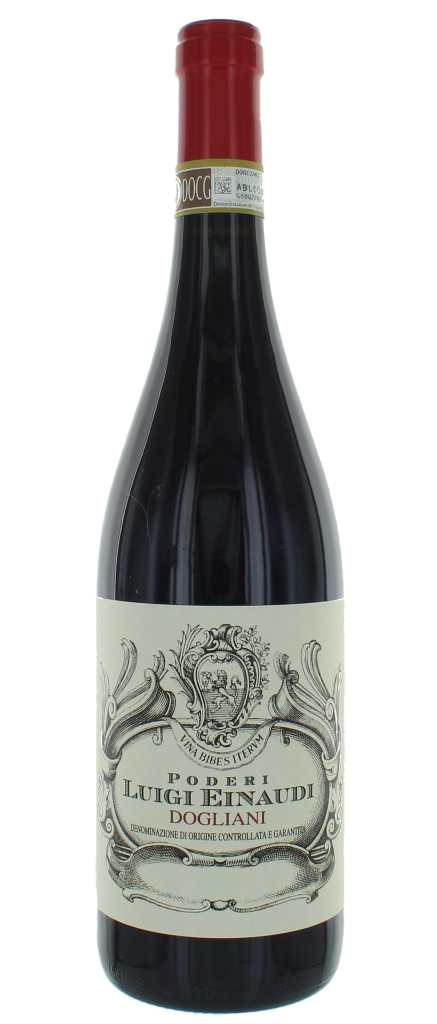
2020 Poderi Luigi Einaudi Dolcetto Dogliani
From the winemaker: “A traditional wine, easy to drink, which comes from a blend of Dolcetto grapes from the village of Dogliani. There it obtains his maximal tipicity, of a ruby red colour, which tends toward violet with a rich fruity bouquet, full bodied with an intense aroma of undergrowth and a pleasantly tannic taste, with a slight final almond note.”
From me: I’ve never been overly smitten by dolcetto, but this wine is an exception. It has depth and finesse so often lacking in dolcettos, although those coming from the grape’s “grand cru” of Dogliani, surrounding the gorgeous town of the same name, rarely disappoint. And the hilltop Einaudi estate, which features a relais as well the winery, is spectacularly situated with gorgeous views of both the Langhe landscape and the Alps on clear days.
$15.99 at wine.com

2020 Domaine du Cayron Gigondas
From Vinous, which scored it a 96: “Dark magenta. Vibrant cherry, raspberry and lavender aromas show excellent clarity and a spicy white pepper hint. Sweet and penetrating on the palate, it displays expansive red fruit and spicecake flavors with a subtle touch of candied licorice. Closes sappy and impressively long, with resonating floral and red fruit notes and gentle tannins that build slowly.”
From me: Sister Delphine, Roseline and Cendrine are the fifth generation to run the Cayron estate. They’re traditionalists, too, fermenting the juice in concrete tanks, then aging in large foudres that are more than half a century old. Most of their 60-plus-year-old vines grow at elevations above 1,000 feet beneath the dramatic Dentelles de Montmirail.
$43.59 at Spec’s/$48 at AOC Selections

2020 Les 2 Domaine la Monardière Vacqueyras
From the winemaker: “Manual harvest with sorting on the table and total destemming. Fermentation follows using only indigenous yeasts. Maceration for 15 to 18 days. Aging lasts 18 months with half in tanks and half in oak barrels. Bottling is done without fining or filtration.”
From me: It’s fun to be able to recommend both a Gigondas and a Vacqueyras in the same blog. The two AOCs, second only to Châteauneuf-du Pape in prestige in the Southern Rhone, are separated by just a few kilometers, but the wines are always quite different. This one, made from fruit grown on vines planted more than 65 years ago, would be a classic GSM if not for the small bit of cinsault in the blend.
$33 at AOC Selections
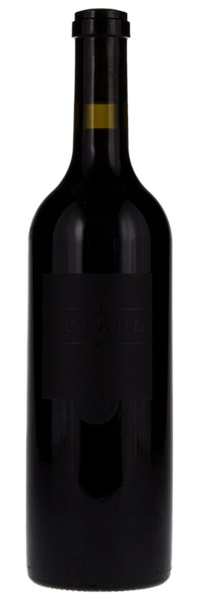
2021 C. L. Butaud Cease & Desist Texas High Plains Red
From the winemaker: “We start with a base of our flagship tempranillo, tipping our hat to the red blends of Spain from Rioja, Ribera del Duero, Toro, et al. Blended in the past with syrah and mourvèdre, these wines have been voluptuous, showstopper wines, with my artistic focus based more on the hedonistic pleasure of drinking robust and velvety wines.”
From me: I’d have to retaste half a dozen wines side by side and blind to make sure I’m not going off a limb on this, but, as I’m sitting here typing right now, I’ll pronounce this the most compelling red I’ve tasted in 2024. Yep, it’s really that good. Major kudos to native Houstonian Randy Hester. And his current release Mourvedre and Tempranillo are eminently praiseworthy, too.
$48 at clbutaud.com
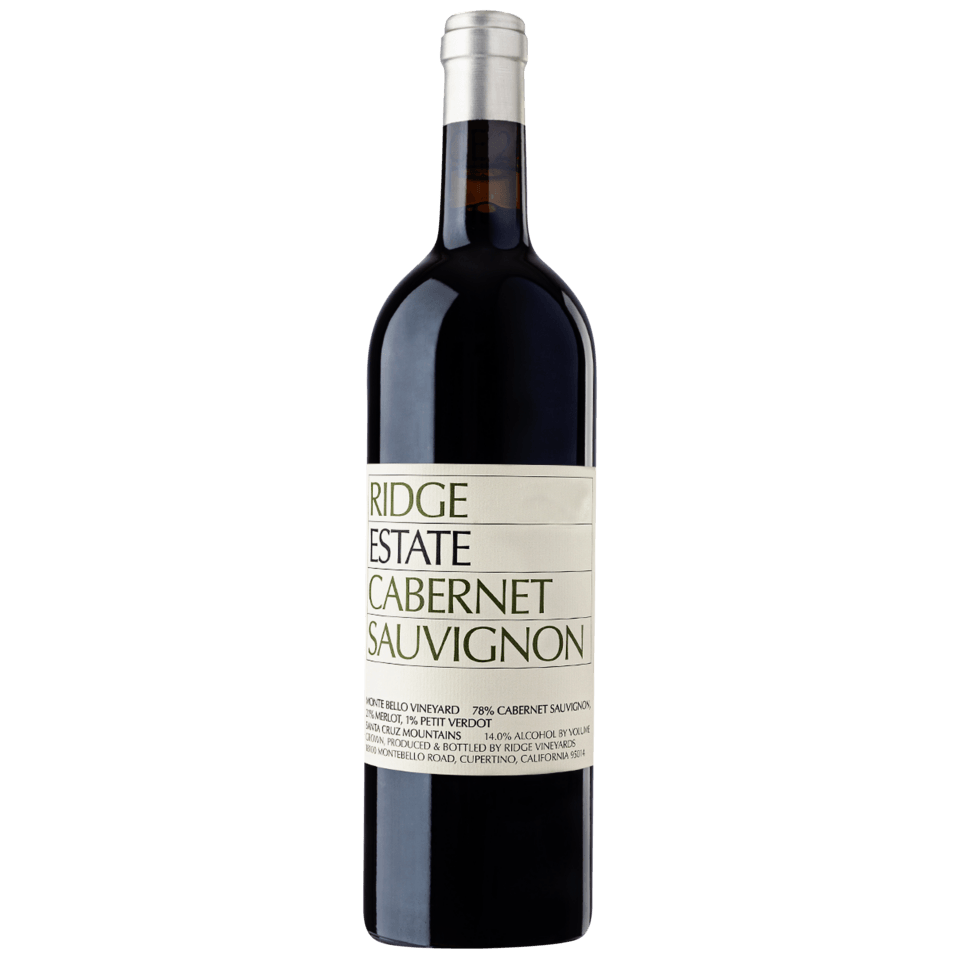
2021 Ridge Estate Cabernet Sauvignon
From the winemaker: “Dark purple hues with black cherry, dark plum, black olive, soy, dried jerky, lilac, dried rose petals, cedar, juniper berry, and wintergreen mint. Fresh entry with building tannins that coat the entire palate. Gravelly, dusty, and mineral notes give way to layers of red and black fruits. Integrated oak with youthful tannins and acidity. Will prove to be very age-worthy.”
From Decanter, which scored it a 96: “From the legendary Monte Bello estate vineyard, most of this estate cab comes from the Klein Ranch portion of the famed Santa Cruz Mountains estate. An American Cabernet (blended with 16 percent merlot) evocative of first-growth Bordeaux nuance and complexity. Freshly turned soils, bay leaf and sweet tobacco aromas segue into notes of pure black fruits. Sweet, ripe black plums open the palate with perfectly tart blackberries, muddled mint leaves, pencil shavings, and soaring acidity brighten this wine into a mineral-driven finish. This is a wine that, in eight to 10 years, will surely be at its apex.”
From me: I fell in love with Ridge’s classic zinfandels before I’d ever tasted the cabernet, but this wine makes future purchases a 50-50 proposition. Note that its big brother, the 2021 Monte Bello, received three 100-point scores from the wine critics and 10 of at least 95. But it sells for way more $$$.
$90 at ridgewine.com

2021 Chateau Croisille Le Croizillon Cahors
From the winemaker: “The malbec grapes from Cahors were sourced from several of our vineyards’ different terroirs, allowing malbec’s fruity and easily digestible qualities to come to the forefront. Part of the wine underwent carbonic maceration and the rest a 10-day maceration with little extraction. The wine aged for eight months in concrete and stainless steel.” on the rest of the volume. Aging lasted for eight months in concrete and stainless steel tanks.”
From me: It’s an easy-drinking, super high-value red that does a nice job of reminding us why and where malbec first became famous before becoming really really famous in Argentina’s Mendoza region.
$15 at AOC Selections


 The Sporty Wine Guy